Travel in 2026 is no longer about ticking destinations off a list or collecting passport stamps. After years of loud itineraries and performative travel, the world’s most discerning travellers are quietly rewriting the rules. Trips now begin with why, a passion, a pursuit, a moment worth crossing time zones for. The new luxury? Time. Intention. And experiences that feel personally charged, whether that means following fresh powder to the slopes, planning a journey around a championship match, or staying put long enough for a place to reveal itself.
That shift is reflected globally, travel is increasingly driven by motivation rather than destination, an evolution that explains the rise of everything from wellness-led escapes to sportcations, where the game, the season, or the event becomes the anchor around which the journey unfolds.
Sportcations
Call it now: 2026 belongs to sports tourism. From first-time F1 spectators to lifelong football devotees planning their World Cup pilgrimage, travel is increasingly built around the thrill of the game. Major events, from Formula 1 to the FIFA World Cup and the Olympics, have long moved crowds, but today they’re reshaping luxury travel itself. Hotels are no longer just places to stay; they’re curating courtside access, post-match rituals, and experiences that blur the line between competition and indulgence. Even beyond the headline events, travellers are booking with sport FOMO in mind—choosing ski resorts designed for those arriving expressly to chase fresh powder, golf retreats offering play alongside professional monitors, tennis, padel, and pickleball courts, or hotels that transform match nights into social rituals with thoughtfully hosted World Cup 2026 Live Watch. In 2026, the workout isn’t skipped on holiday, it’s the reason for going.
Slow Is the New Status Symbol
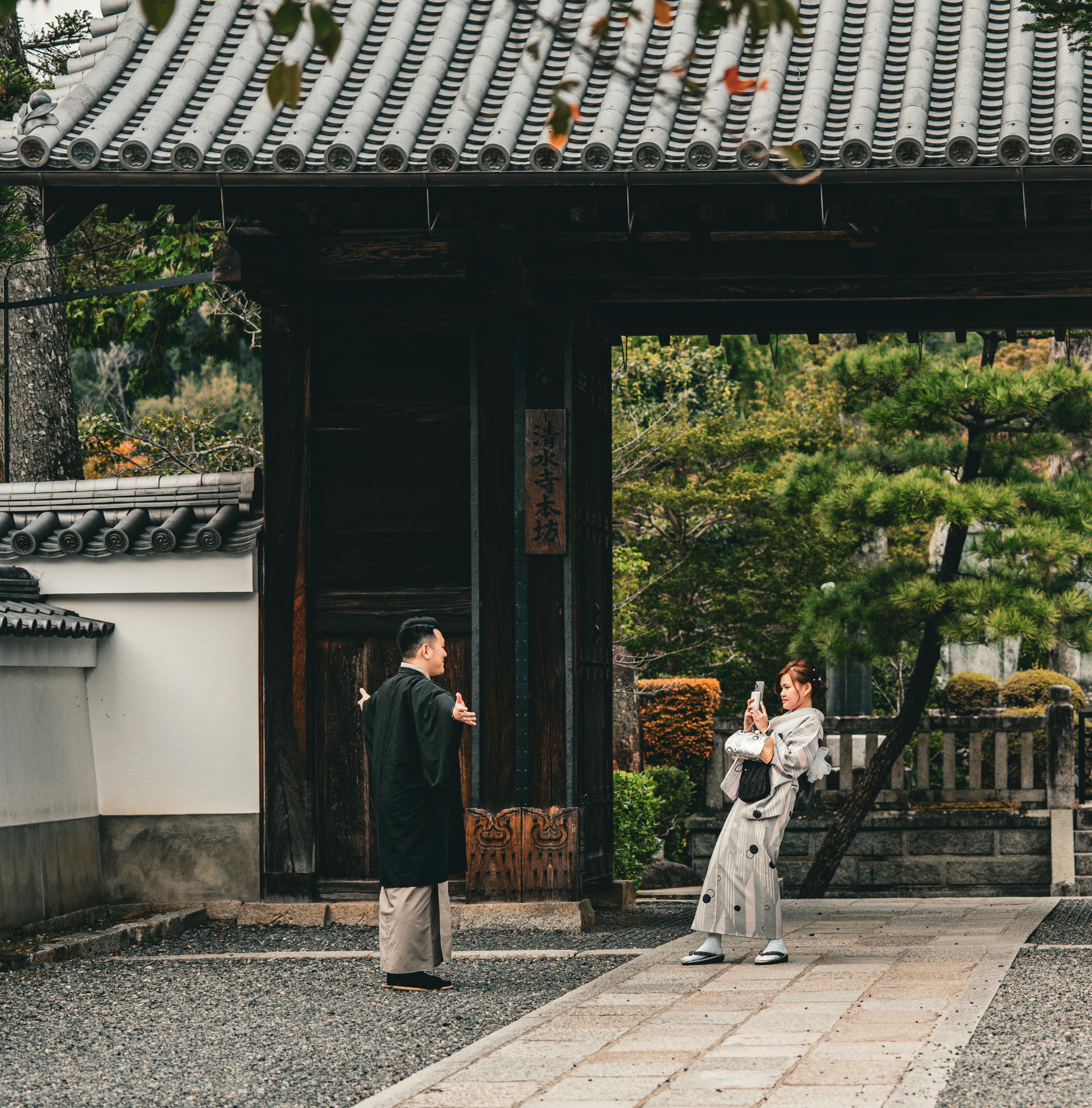
If 2024 flirted with slow travel and 2025 committed, 2026 perfects it. Longer stays are no longer framed as indulgent, they’re intelligent. A month in Kyoto beats three cities in five days. Travelers are renting homes, learning neighborhood rituals, memorizing coffee orders, and discovering that familiarity is the ultimate flex.
Hotels are responding with “stay longer, live deeper” programming: weekly market walks with chefs, language primers at check-in, and flexible housekeeping that respects a lived-in rhythm. Speed is out. Belonging is in.
The Hush Factor: Silence Is the New Luxury
Hilton’s survey reveals that over half of travelers now prioritize rest and recharging, making “hushpitality” the hottest commodity in hospitality. Sleep tourism continues its ascent with circadian-friendly architecture, herbal rituals rooted in regional traditions, and menus designed around rest rather than restriction.
The irony? We’re paying premium prices to do absolutely nothing, and loving every quiet minute. Mental clarity is prioritized over metrics. Silence is offered, not enforced. The new question isn’t “How many steps did you take?” but “Did you exhale today?”
Secondary Cities and Quiet Destinations
Overtourism has finally met its match. Travelers are abandoning packed tourist traps for what Expedia Group data shows: accommodation searches in Asia’s secondary cities growing 15% faster than traditional hubs. Think inland Portugal instead of Lisbon, eastern Sicily over Taormina, Hokkaido’s rural towns rather than Tokyo.
According to Travel Market Report, 45% of travel advisors report clients adjusting plans due to climate change, with travelers increasingly choosing shoulder seasons and destinations where beauty doesn’t perform, it simply exists. Governments from Indonesia to Japan are actively redirecting visitors away from hotspots. The question isn’t “Is it famous?” but “Is it meaningful?”
Nostalgia Trips Meet Golden Gap Years
American Express Travel’s 2025 Global Travel Trends Report reveals a plot twist: nearly 80% of Americans under 35 want to recreate childhood trips. Millennials and Gen Z are literally booking the beach houses their parents dragged them to as kids, except now they’re footing the bill and actually appreciating it.
Meanwhile, Gen X is pioneering “golden gap year” travel, taking extended adventures that previous retirees wouldn’t have dreamed of. Family travel is evolving into something more complex: parents taking one-on-one trips with individual children, grandparents embarking on skip-generation getaways. Because adulting is exhausting, and sometimes you need your mom’s favorite vacation spot to remember who you were before the group chat ruined everything.
Culinary Travel Gets Intimate
The age of the celebrity chef tasting menu isn’t over, but it’s evolving. In 2026, travelers want context with their courses. Private kitchen tables, generational recipes, vineyard lunches with families who never intended to host strangers, these are the experiences commanding attention.
Dining becomes a form of cultural journalism: less spectacle, more story. Wine travel follows the same arc. Smaller producers, forgotten varietals, and regions quietly confident enough not to export their best bottles. Discovery tastes better when it isn’t marketed to death.
Decision-Light Travel and Technology That Disappears
Modern travelers are mentally exhausted before trips even begin. All-inclusive packages aren’t about efficiency anymore, they’re about cognitive relief. Curated experiences trump endless options, with travelers happily outsourcing planning to properties and agencies that understand one universal truth: choice overload is the opposite of vacation.
AI-powered planning and hyper-personalization are here to stay, but the smartest trend? Technology that knows when to disappear. No apps to download. No screens demanding attention. Just systems quietly doing their job so travelers can do something radical: be present. Luxury, once again, is effortlessness.
Purpose Without Performance
Sustainability has matured. No more greenwashing theatrics or guilt-laden messaging. Travelers in 2026 are savvy, they can spot performative ethics from 30,000 feet. What resonates instead is transparency: locally owned hotels, community-led excursions, honest conversations about impact.
Purpose is integrated, not advertised. The most compelling properties won’t shout about doing good. They’ll simply be good, and let travelers feel it. Design that tells local stories, architecture crafted with regional materials, rooms that feel collected rather than styled. Imperfection becomes a feature.
Travel as Editorial, Not Algorithm
Perhaps the most telling shift: how people choose where to go. Algorithm-led travel, driven by trending sounds and viral posts, is losing its grip. In its place is editorial influence: trusted voices, nuanced storytelling, and recommendations that feel considered rather than computed.
Travelers want perspective, not popularity. Depth, not dopamine. They’re reading again. Listening again. Asking “why?” before “where?”
The Takeaway
Travel in 2026 isn’t louder, faster, or more extreme. It’s more refined. More human. More aware of the privilege it carries. The world hasn’t changed its beauty, but our relationship with it has matured.
So before you start searching flights, try asking yourself “why?” first. Your answer might surprise you, and it’ll probably lead to a better trip than any travel influencer’s highlight reel ever could.
Because the best journeys begin with intention, not just a destination.