
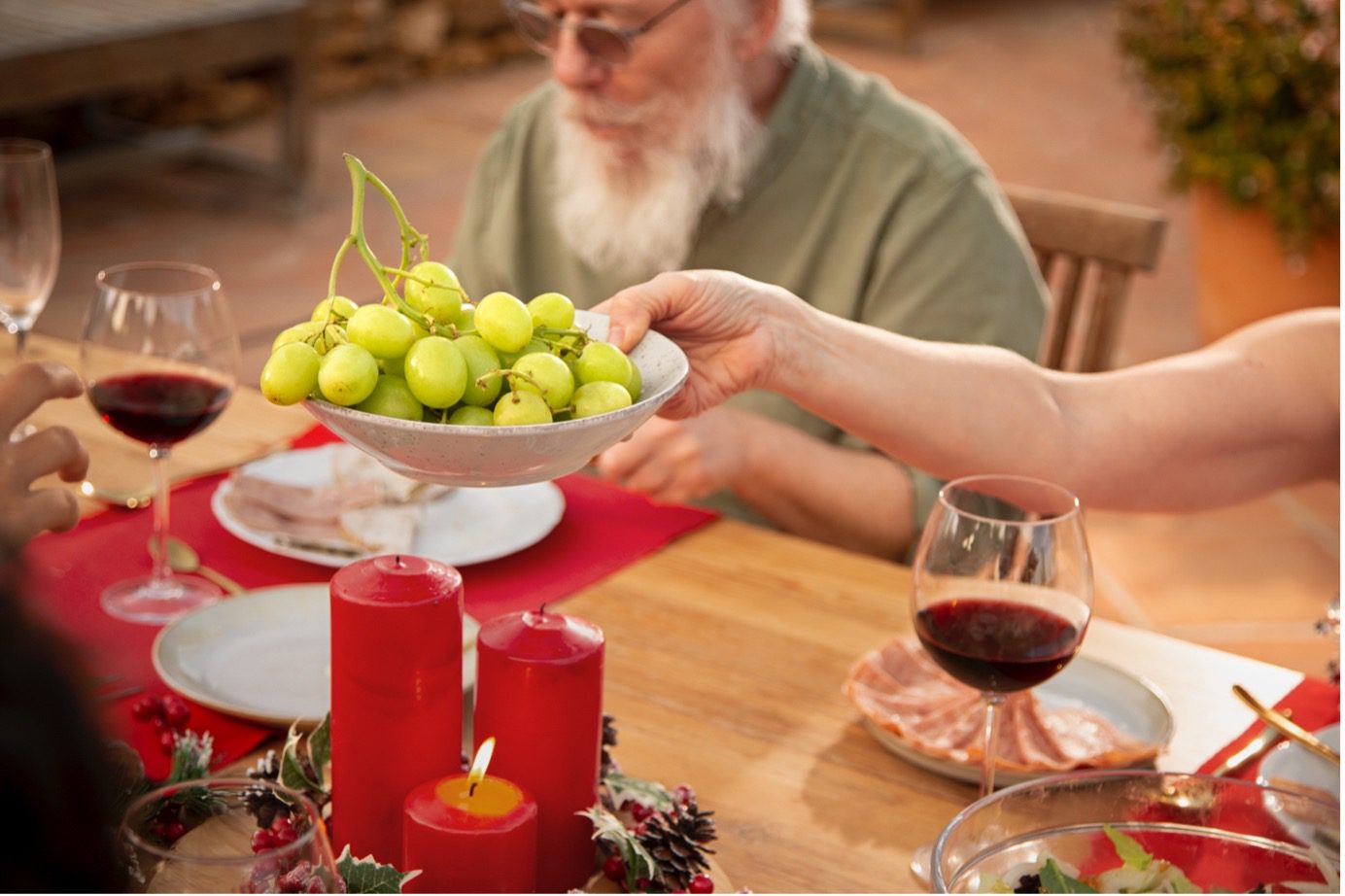
From midnight grapes in Madrid to suitcase sprints in Bogotá, these New Year’s rituals prove that hope is universal, even when it looks completely absurd
The ball drops in Times Square. Champagne corks pop. Resolutions are made and promptly forgotten. It’s the same script every year, predictable as clockwork. But venture beyond the familiar, and you’ll discover that New Year’s Eve is far more inventive, meaningful, and delightfully strange than any countdown broadcast could ever capture.
Across continents, cultures have transformed the transition from December 31st to January 1st into something extraordinary. These aren’t just parties, they’re rituals of renewal, acts of faith disguised as celebration, small rebellions against an uncertain future. They remind us that while we cannot control what’s coming, we can certainly greet it with intention, joy, and occasionally, flying ceramics.
Below, HighEnd-Traveller.com uncovers six New Year customs worth knowing, and perhaps worth adding to your own midnight repertoire.
Spain: 12 Grapes at Midnight
The Tradition: Eat one grape with each bell chime, under the table for 12 months of good fortune
In plazas across Spain, thousands gather with bowls of grapes, eyes fixed on clock towers. As midnight arrives, each chime becomes a challenge; one grape, one second, one month of luck. It’s frantic, joyful chaos. What began as a 19th-century marketing ploy has evolved into something profound: a shared moment where an entire nation believes, just for twelve seconds, that they can taste the future.
Scotland: First Footing
The Tradition: The first visitor after midnight determines the household’s fortune
The Scots have elevated the midnight visitor to near-mythical status. Ideally tall and dark-haired, this “first footer” crosses the threshold bearing coal for warmth, salt for sustenance, and whisky for celebration. It’s hospitality as prophecy, a beautiful insistence that how we welcome the new year, and whom we welcome it with, matters deeply. In an age of digital connection, there’s something radically tender about believing that an actual person, standing at your actual door, can bring you luck.
Japan: Hatsumode
The Tradition: First shrine visit of the year to pray for blessings and good fortune
While much of the world celebrates New Year’s with excess, Japan offers contemplation. Between January 1st and 3rd, millions visit shrines in their finest clothes, moving through ancient rituals: the toss of coins, the double clap, the bow. They purchase protective charms and draw fortunes, tying bad luck to tree branches and carrying good wishes home. It’s a reset button for the soul, a quiet insistence that beginnings deserve reverence. In the stillness of these visits lies a powerful truth: the new year isn’t something that happens to us, it’s something we enter mindfully.
Denmark: Smashing Plates
The Tradition: Breaking dishes on friends’ doorsteps to show affection and banish bad spirits
The Danish have perfected the art of meaningful destruction. Throughout the year, they save dishes, the chipped, the ugly, the unwanted, for one glorious night of intentional breaking. On New Year’s Eve, they visit friends’ homes and hurl ceramics at doorsteps. A pile of shattered pottery becomes proof of love, connection, community. It’s cathartic and surprisingly profound: sometimes you need to break something to make space for what’s new. Sometimes affection looks like showing up at someone’s door with chaos in your hands and saying, “I was thinking of you.”
Philippines: 12 Round Fruits
The Tradition: Display circular items to symbolize prosperity and abundance
In Filipino homes, New Year’s Day dawns on carefully arranged displays of spheres—twelve round fruits representing coins, wealth, wholeness. Oranges gleam beside apples and grapes, each curve a prayer for prosperity. Some families wear polka dots. Others fill bowls with round candies. It’s geometry as faith, a beautiful insistence that form matters, that abundance begins with intention. There’s something deeply hopeful about choosing your fruit based on its shape, about believing that circles, endless, complete, might influence your fortune.
Colombia: Running with Suitcases
The Tradition: Sprint around the block with empty luggage to manifest travel and adventure
As midnight strikes in Colombia, the streets fill with an unusual marathon: people sprinting past with empty suitcases bouncing behind them. The faster you run, the theory goes, the farther you’ll travel in the coming year. It’s absurd and honest in equal measure, a perfect metaphor for ambition itself. We’re all dragging our baggage somewhere, hoping velocity equals progress. But there’s also pure joy in it, a community turning wanderlust into motion, transforming “maybe someday” into muscle memory.
These traditions remind us that the new year arrives whether we acknowledge it or not, so we might as well greet it with intention, creativity, and a willingness to look slightly ridiculous. The world is vast and strange, full of people trying to make meaning from midnight. And perhaps that’s the point: not the grapes or suitcases themselves, but the shared belief that how we begin matters.
Happy New Year. May it be round, swift, and full of fortunate first visitor.
Cover doc./Freepik