Sustainability certifications are increasingly common in hospitality, but not all carry the same weight, or intent. When Mövenpick Resort & Spa Jimbaran Bali earned its Green Globe certification, it marked more than a box checked. It signalled a deeper, operational commitment to responsible hospitality, measured not by statements, but by systems, habits, and long-term accountability.
Green Globe remains one of the tourism industry’s most respected sustainability benchmarks, assessing hotels through rigorous criteria that span environmental stewardship, cultural preservation, community engagement, and continuous improvement. For Mövenpick Jimbaran, joining this global cohort places the resort among properties actively shaping a more conscious future for travel, one grounded in action rather than aspiration.
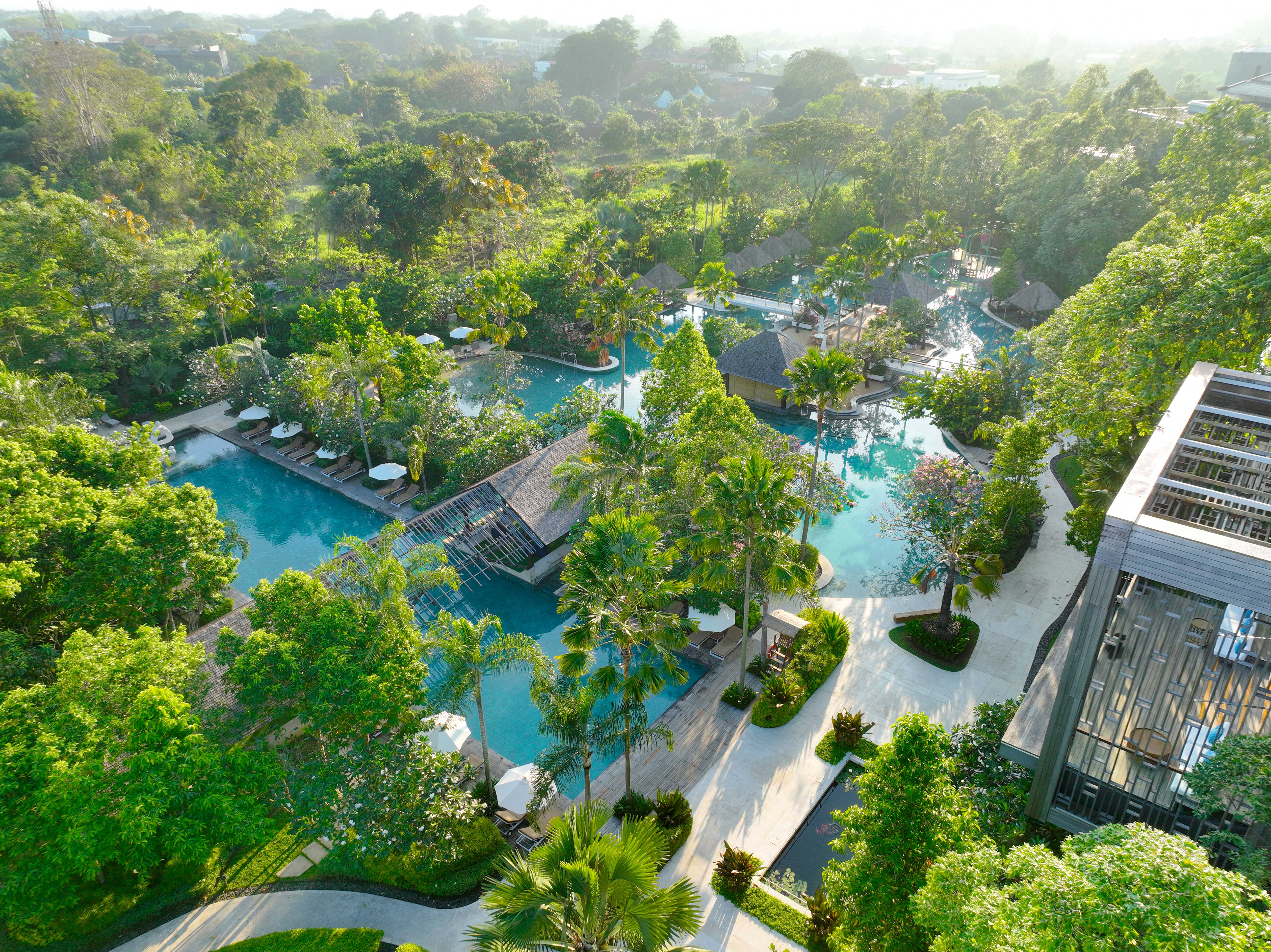
Set in the heart of Jimbaran, the resort has long positioned itself as a space where modern comfort meets Balinese warmth. What has evolved is the purpose underpinning that experience. Sustainability here is not staged; it is woven quietly into daily operations. Single-use plastics have been fully eliminated. Waste management prioritises reduction and recycling. Energy efficiency is continually improved, supported by the installation of solar panels that reduce the resort’s carbon footprint, while water management systems are refined year after year with conservation in mind.
This operational mindset extends to the business traveller. Mövenpick Bali’s Green Meeting Package reframes corporate events through a sustainability lens paper light practices, refillable water solutions, responsible stationery, and energy efficient venues, allowing productivity without unnecessary environmental cost.
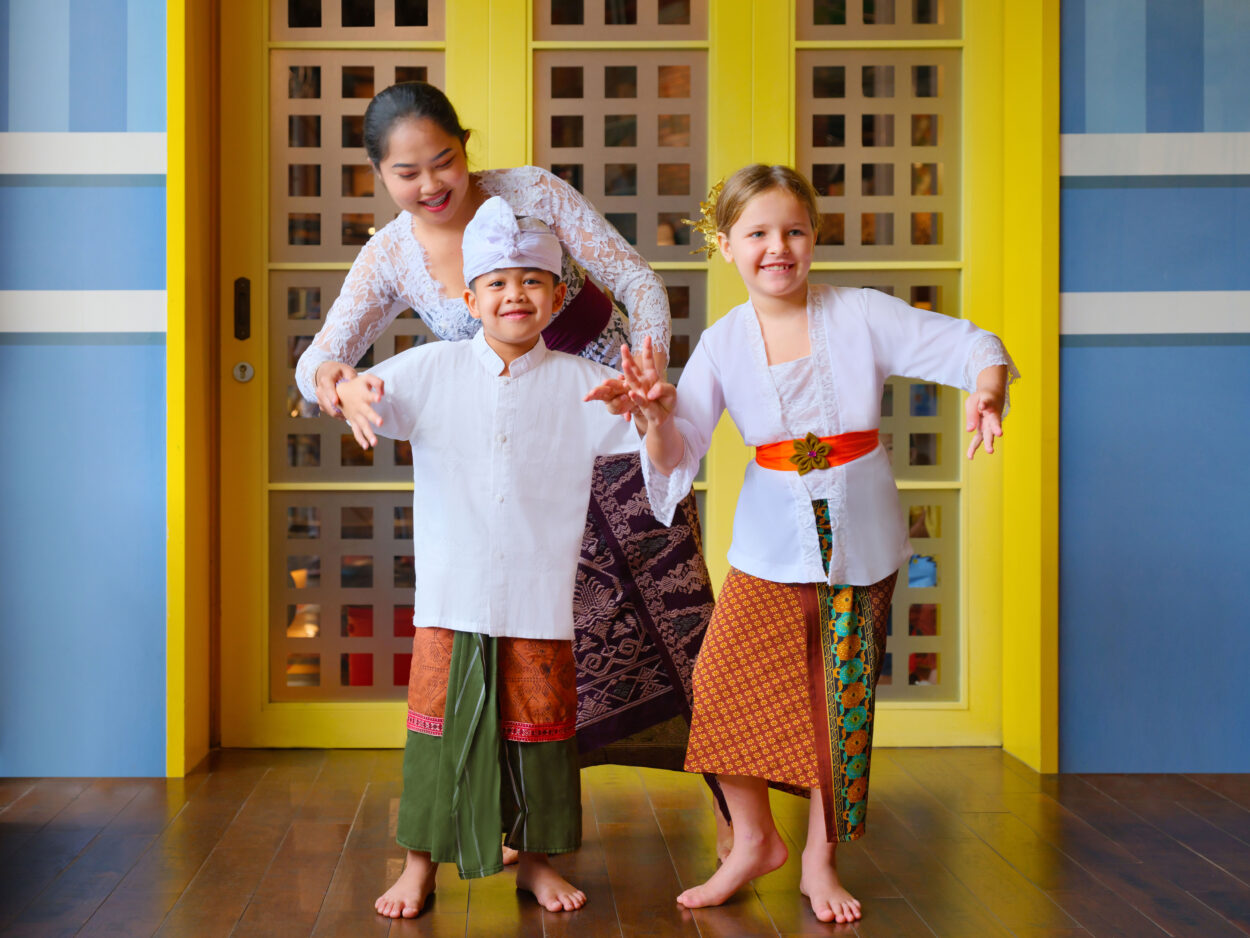
Equally integral to the resort’s Green Globe journey is its relationship with the local community. Cultural preservation is treated not as entertainment, but as partnership. Guests are welcomed by daily Rindik performances in the lobby, while Barong dance showcases, held both at the resort and nearby Samasta Lifestyle Village, support local artists and keep tradition active, visible, and valued.
Environmental stewardship takes on a tangible form beyond the resort grounds. Regular beach clean-ups are conducted in collaboration with the Jimbaran community, with guests and staff encouraged to participate. On property, a dedicated stingless bee house supports native bee populations, reinforcing biodiversity and contributing quietly to a healthier local ecosystem.
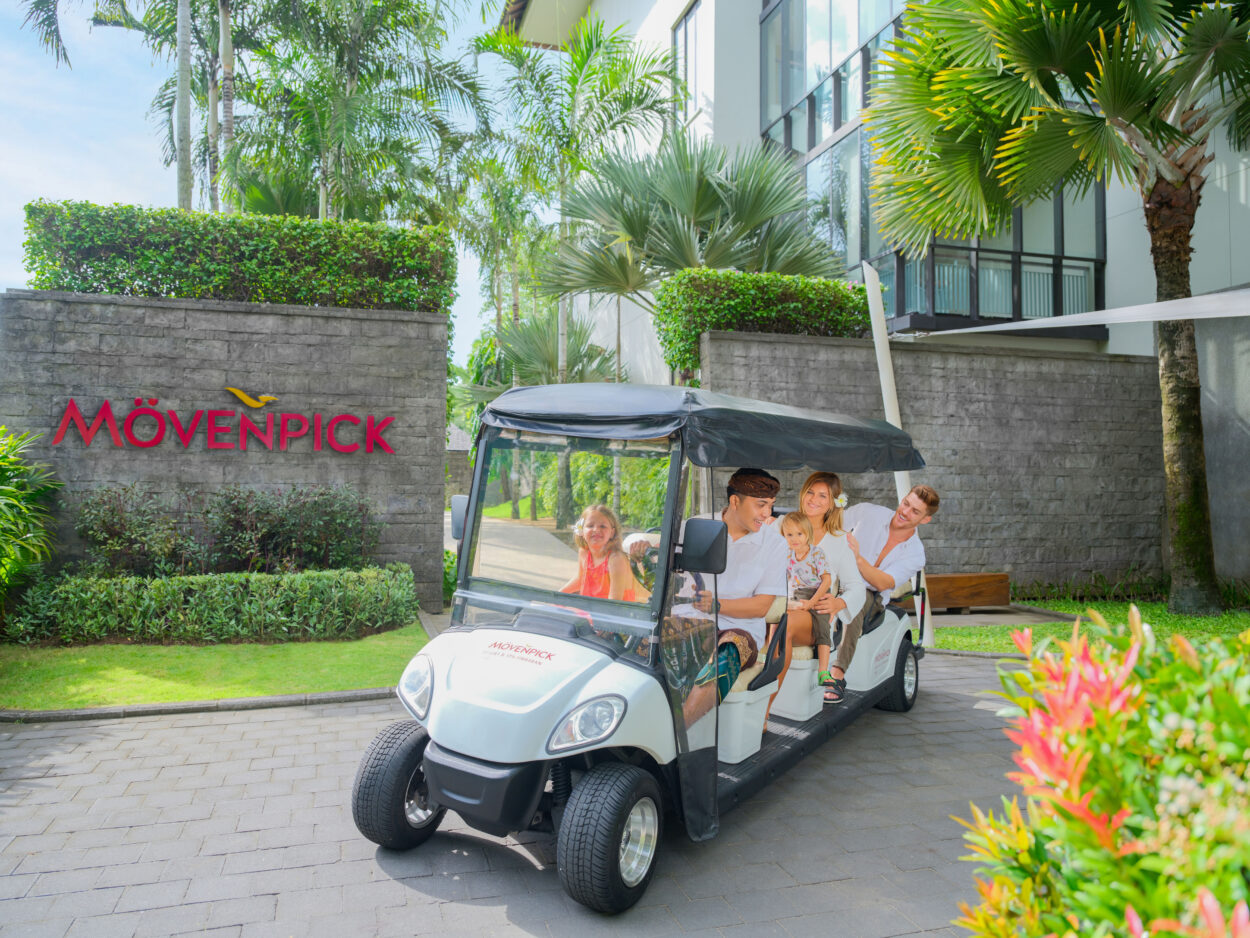
Mobility, too, is approached with intent. Electric buggies transport guests between the resort and Jimbaran Beach, offering a quieter, emission-reducing alternative to conventional vehicles. An on-site EV charging station further supports guests travelling with electric cars, small infrastructure decisions that collectively encourage more responsible travel behaviour across the island.
What stands out is how seamlessly these initiatives are integrated into the guest experience. Sustainability does not come at the expense of comfort. Modern Balinese-inspired rooms, diverse dining venues, the expansive lagoon pool, Meera Kids Club, and Arkipela Spa & Wellness continue to define the stay, proof that responsibility and indulgence need not be mutually exclusive.
Conveniently located just 15 minutes from Ngurah Rai International Airport, and adjacent to Samasta Lifestyle Village, the resort balances accessibility with a sense of retreat, offering easy access to southern Bali’s most iconic coastal destinations.
General Manager Jan Kroeckel reflects on the milestone with measured pride. “Our goal has always been to provide stays that feel warm, memorable, and sincere,” he notes. “Achieving Green Globe certification reflects our commitment to the island, its culture, and its future. It’s a collective effort, and one we intend to keep building on.”
In an era where sustainability risks becoming a marketing refrain, Mövenpick Resort & Spa Jimbaran Bali demonstrates what it looks like when responsibility is embedded, consistent, and quietly ambitious. Green Globe certification, in this case, is not the destination—but part of a longer journey toward hospitality that gives back as much as it offers.